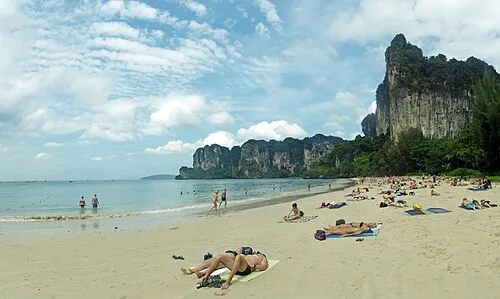
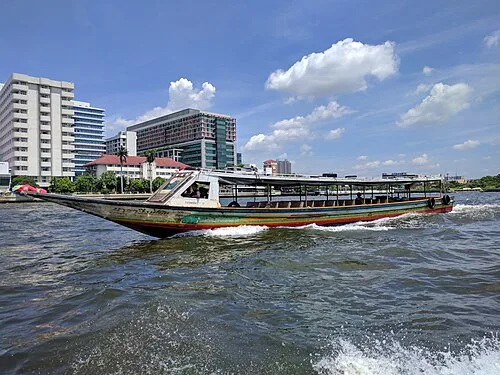
The best time to visit Koh Samui is February to April, the Gulf's driest, sunniest months, with calm seas for beaches and diving. May to September is a warm, good-value green season, while October and November bring heavy rain, rough ferries and the Ang Thong park closure.
Koh Samui's seasons at a glance
Koh Samui sits in the Gulf of Thailand, so it runs on the northeast monsoon, the opposite calendar to Phuket and Krabi. When the Andaman coast is rained out from May to October, Samui is often dry, and when Phuket dries up in November, Samui has its wettest weeks.
- February to April is the best window: dry, sunny and calm, ideal for beaches, island trips and diving.
- May to September is the sweet spot, warmer and cheaper, and drier than Phuket and the mainland in those months.
- November is the wettest month, with heavy rain and rough seas that disrupt the mainland ferries from Donsak.
- The Ang Thong National Marine Park closes about 1 November to 15 December for the monsoon, so a November trip misses it.
- Best beach weather (February and March) does not match the best diving; whale sharks off Koh Tao peak in April and May, and calm Gulf diving runs June to September.
- December to February is peak season with the highest prices, but early December can still be wet before the rains ease.
| Months | Season | Temperature | Weather | Ideal for / avoid |
|---|---|---|---|---|
| February to April | Dry season (peak) | 26 to 33C | Sunny and dry, calm seas, driest in Feb and Mar | Ideal for beaches and diving; busiest and priciest Dec to Feb |
| May to September | Green shoulder | 27 to 32C | Warm with short showers, drier than the rest of Thailand | Best value with good weather; the mainland's monsoon barely reaches here |
| October to December | Northeast monsoon | 25 to 31C | Wettest and roughest, heavy rain peaking in November | Cheapest but wettest; avoid November for ferries and Ang Thong |
What are January to April like?
These are the driest, sunniest months and the best time to visit Koh Samui, with calm seas for the beaches, Ang Thong day trips and diving.
The rain eases through January, February and March bring the clearest skies, and April turns hot as the humidity builds. Highs run about 30 to 33C with lows near 24 to 25C, coolest in January and hottest in April. December to February also brings the peak-season crowds and the year's highest prices, while March and April are a little quieter. It is prime time for Chaweng and Lamai, Bophut's Fisherman's Village, the Big Buddha and the Ang Thong National Marine Park by speedboat. For the sights themselves, see our guide to places to visit in Koh Samui.
Pack light cotton clothes, swimwear, reef-safe sunscreen, a hat, and a scarf for temple visits and the Big Buddha.
What is the May to September green season like?
The green shoulder is Samui's quiet secret: warm, largely sunny and much cheaper, while Phuket and the mainland sit under the southwest monsoon.
Showers are usually short, and the sea stays calm enough for island trips and diving. Highs run about 31 to 32C with warm nights near 25 to 26C and a swimmable sea around 29 to 30C. It suits travellers, divers and anyone escaping the Andaman monsoon, and it is the best window to combine Samui with a Koh Tao dive trip. Quieter Chaweng and Maenam beaches, Ang Thong tours that still run, and the island's waterfalls after a shower round out the season. For the activities themselves, see our list of things to do in Koh Samui.
Pack light quick-dry clothing, a compact umbrella, reef-safe sunscreen, and water shoes for rocky coves and snorkelling stops.
What is Koh Samui like from October to December?
The northeast monsoon brings the heaviest rain and roughest seas, peaking in November, when ferries are cancelled and the Ang Thong park closes.
Prices fall and the island empties, but this window suits flexible travellers rather than a first island trip. Highs sit about 29 to 31C, cooled by cloud and rain, and late December begins to dry out as the peak returns. Spa and wellness days, the Big Buddha and Fisherman's Village between showers, and Christmas and New Year on Chaweng carry a wet-season trip, while the Ang Thong marine park is shut for much of this window.
The Ang Thong marine park closes about 1 November to 15 December, and rough November seas cancel the Donsak ferries, so do not build a monsoon trip around island-hopping.
Pack a rain jacket, quick-dry footwear, a dry bag for electronics, and a flexible plan that can shift ferries and tours around the weather.
When is the worst time to visit Koh Samui?
No month is a write-off, but November is the hardest, at the peak of the northeast monsoon, when rain and rough seas disrupt travel to and around the island.
- November brings the heaviest rain of the year and rough seas that cancel the mainland ferries from Donsak, so connections can be delayed for a day at a time.
- The Ang Thong National Marine Park closes about 1 November to 15 December, so Samui's marquee island trip is off through the wettest weeks.
- October and early December are also wet, with rough water that limits diving and snorkelling visibility.
- The December-to-February peak is the most crowded and expensive time, and early December can still be rainy, so weigh the festive mood against the weather.
February and March are the pick: the driest weather, clear skies and calm seas for the beaches, Ang Thong and the Koh Tao dive trips.
What is the best time for festivals?
Samui's events cluster in the dry season and the hot months. Timing a trip to one adds to a beach holiday, though the December peak also brings the biggest crowds.
| Festival | When (2026) | What happens |
|---|---|---|
| Chinese New Year | Around 17 February | Lion dances and food along Chaweng and Fisherman's Village |
| Songkran | 13 to 15 April | Thai new year water celebrations across Chaweng and Lamai |
| Samui Regatta | Late May or early June | International sailing regatta off the east coast |
| Loy Krathong | 24 to 25 November | Candlelit baskets floated on the sea and lagoons |
| New Year countdown | 31 December | Beach parties and fireworks along Chaweng |
How do you plan a Koh Samui trip around the weather?
Match your dates to what you want, and plan the ferries and the diving around the Gulf's calendar rather than the mainland's.
- For the best beach weather, come February to April, and book the December-to-February peak two to three months ahead.
- For value and good weather together, travel May to September, when Samui is drier than Phuket and prices are lower.
- Plan Ang Thong trips outside the roughly 1 November to 15 December closure, and keep Koh Tao dive days for the calmer months.
- There are no direct flights from India to Samui (USM); most route through Bangkok on Bangkok Airways, or fly to Surat Thani and take a ferry the monsoon can delay in November.
Indian passport holders get 30 days visa-free per visit, cut from 60 days on 15 September 2026, and submit a free Thailand Digital Arrival Card within 72 hours of arrival. Confirm before booking.
Here is what each month delivers. To fix your dates and hotels in advance, see our Koh Samui tour packages, or browse the wider Thailand tour packages by season.
| Month | Avg high | Rain | Verdict for visitors |
|---|---|---|---|
| January | 30C | Low, easing | Good; drying out and calm, but peak-season crowds |
| February | 30C | Very low (driest) | Best all-round; sunny, calm seas, ideal diving |
| March | 31C | Very low | Excellent; dry and clear, whale-shark season begins |
| April | 32C | Low | Hot but dry; Songkran, calm seas, prices easing |
| May | 32C | Moderate | Green season; warm with short showers, good value |
| June | 31C | Moderate | Sweet spot; drier than mainland Thailand and quiet |
| July | 31C | Moderate | Warm with sunny spells; good Koh Tao diving |
| August | 31C | Moderate | Busy again; generally good, occasional showers |
| September | 31C | Moderate to high | Rain building, yet still drier than Phuket now |
| October | 30C | High | Wet; rough seas as the monsoon sets in |
| November | 29C | Highest | Wettest; ferries disrupted, Ang Thong closed |
| December | 29C | High, easing | Festive and busy, but still wet early; peak prices |
Figures are averages as of October 2026 and vary year to year.
Key Koh Samui weather terms
The seasons, places and terms used on this page, defined in one line each.
- Dry season: February to April, Samui's sunniest, calmest and best months.
- Green shoulder season: May to September, warm and cheaper, and drier than mainland Thailand.
- Northeast monsoon: the October to December wet season, wettest in November.
- Gulf of Thailand: the sea east of the mainland, on the opposite monsoon to the Andaman coast.
- Samui Airport (USM): the island's airport, reached from India via Bangkok.
- Ang Thong National Marine Park: an island group off Samui, closed about 1 November to 15 December.
- Chaweng: Samui's busiest beach and main resort strip.
- Koh Tao: the dive island north of Samui, best for whale sharks in April and May.
- Songkran: the Thai new year water festival, held 13 to 15 April.
- Thailand Digital Arrival Card (TDAC): the free online arrival form all visitors submit within 72 hours of entry.
FAQs
February to April, the Gulf's driest, sunniest months, with calm seas for beaches, Ang Thong trips and diving. December to February is the busy peak. Avoid November, the wettest month, when rough seas disrupt ferries and the Ang Thong marine park is closed for the monsoon.
February is usually the best single month, with the driest weather of the year, calm seas and clear skies for diving and island trips. March is nearly as good and slightly quieter. Both fall in the peak season, so book two to three months ahead, especially over the Christmas and New Year weeks that precede them.
The green shoulder from May to September, plus the wet October and November weeks. May to September is the smart choice, as Samui stays largely dry and sunny while flights and hotels drop. November is cheapest of all but the wettest, with rough seas and ferry disruption, so it suits only flexible travellers.
Koh Samui sits in the Gulf of Thailand and runs on the northeast monsoon, while Phuket faces the Andaman Sea and the southwest monsoon. That means Samui is often dry from June to September, when Phuket is at its wettest, and rainiest in November, just as Phuket dries out. Pick the coast by month.
Diving is good much of the year, but the windows differ. Whale sharks off Koh Tao and Sail Rock peak in April and May, calm, clear Gulf diving runs June to September, and February to March gives the best all-round beach-and-dive weather. Avoid October to December, when the monsoon cuts visibility.
It can be, with care. October to December is cheap and quiet, and late December dries out for the festive season. The catch is November, the wettest month, when rough seas cancel ferries and the Ang Thong park closes. If you travel then, keep plans flexible, expect some indoor days, and do not build the trip around island-hopping.
Koh Samui suits families best from February to April, when calm seas make Chaweng and Lamai beaches and gentle Ang Thong trips easy with children, and the weather is dry. May to September also works and costs less. Avoid November, when rough seas, ferry delays and the Ang Thong closure make a beach holiday hard to plan.
No. Indian passport holders now get 30 days visa-free per visit, down from 60 since 15 September 2026, far more than a Samui beach trip needs. Choose your dates by the Gulf's season, not the visa, and submit the free Thailand Digital Arrival Card within 72 hours of arrival.