The best places to visit in Thailand are Bangkok, Phuket, Krabi, Chiang Mai, Koh Samui, Pattaya and the Phi Phi Islands. First-time Indian travellers usually pair Bangkok with one southern beach base across 6 to 8 days. The right mix depends on the season, because Thailand's two coasts run opposite monsoons.
Thailand at a glance
The quick facts an Indian traveller needs before planning: money, language, entry rules and how the country splits into regions and airports.
| Item | Detail (as of October 2026) |
|---|---|
| Currency | Thai baht (THB), about 2.7 rupees to 1 baht; conversion varies |
| Language | Thai, with English widely spoken in tourist areas |
| Capital | Bangkok |
| Main airports | Suvarnabhumi (BKK) and Don Mueang (DMK) in Bangkok; Phuket (HKT), Chiang Mai (CNX), Krabi (KBV), Koh Samui (USM) |
| Time zone | ICT (UTC+7), 1.5 hours behind India |
| Visa for Indians | 30 days visa-free per visit since 15 September 2026 (down from 60); free Thailand Digital Arrival Card within 72 hours. |
| Best overall months | November to February |
What can you do in Bangkok and central Thailand?
The capital and its easy day trips: temples and markets in the city, ruins, war history and the nearest beaches within a few hours' drive.
1. Bangkok (BKK / DMK)
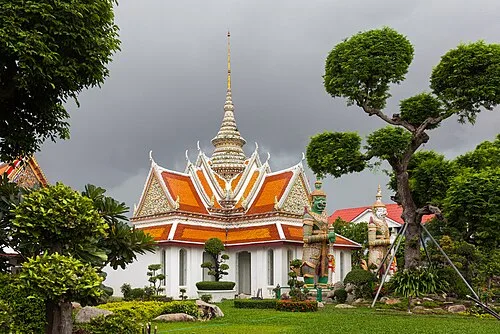
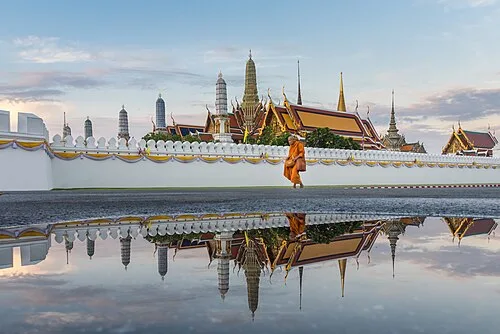
Thailand's capital and the arrival point for most trips, best for temples, street food, shopping and a first taste of the country. Mornings suit the riverside temples, afternoons the malls around Siam or the sprawl of Chatuchak, and evenings the rooftop bars, night markets and food lanes of Chinatown. The Skytrain and metro skip the traffic.
Don't miss: the Grand Palace and Wat Phra Kaew (500 baht), Wat Pho (300 baht), Wat Arun (200 baht), Chatuchak weekend market and a Chao Phraya boat. Getting there: direct flights from Delhi, Mumbai, Kolkata, Bengaluru and Chennai, about 4 to 4.5 hours. See our Bangkok tour packages. Time needed: 2 to 3 days.
2. Pattaya
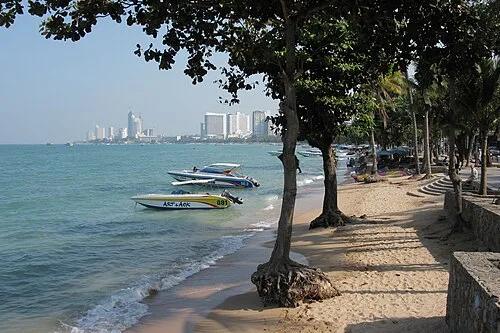
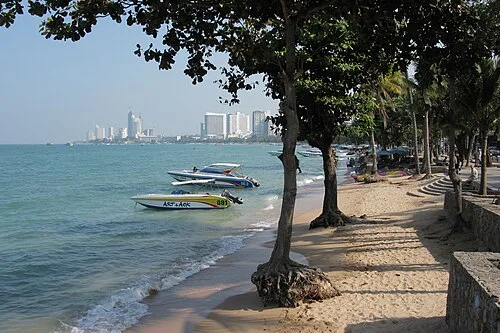
The closest beach city to Bangkok, about two hours by road, best for a quick beach add-on, nightlife and family day trips. The town is loud and built up, so it works better as a base than a scenic highlight; the clearer water is a boat ride away at Koh Larn. Families fill days with Nong Nooch, the Sanctuary of Truth and the water parks.
Getting there: 2 to 2.5 hours by taxi or bus from Bangkok or Suvarnabhumi. Tip: swim at Koh Larn or Jomtien, not the town beach. Best for: short trips, groups and families. Time needed: 1 to 2 days.
3. Ayutthaya
The ruined former capital and a UNESCO site, best as a day trip from Bangkok for history and temple ruins. Its brick stupas and the Buddha head wrapped in tree roots at Wat Mahathat reward slow wandering by bicycle. Go early or late to dodge the punishing midday heat.
Getting there: 1.5 hours by train, minivan or car from Bangkok. Best for: history and a break from the beach. Time needed: a day trip, or an overnight for sunset over the ruins.
4. Kanchanaburi
A river province west of Bangkok, best for the Bridge over the River Kwai, wartime history and the Erawan waterfalls. The Death Railway and war cemetery put the story in context, and Erawan National Park has a seven-tier waterfall with emerald pools you can swim in.
Getting there: 2 to 3 hours from Bangkok by road or train. Best for: history, families and a nature day or overnight.
5. Hua Hin
A royal beach town about three hours south of Bangkok, best for families and older travellers who want calm over nightlife. The long beach is swimmable and far calmer than Pattaya, with golf, the Cicada weekend art market and theme parks for families. The water is less clear than the southern islands, so come for calm and convenience.
Getting there: 3 to 3.5 hours by road from Bangkok. Best for: families, relaxed beach days and night markets.
Which Andaman beaches and islands are best?
Thailand's west coast: the big beach hubs, the limestone-cliff bays and the day-trip islands, all best from November to April.
6. Phuket (HKT)
Thailand's largest island and its busiest beach hub, best for families, first beach trips and island-hopping. Patong is the busy heart, while Kata, Karon and Nai Harn to the south stay calmer and better for families. It is the launch pad for Phi Phi, Maya Bay and Phang Nga Bay, and Old Phuket Town adds a half day of Sino-Portuguese streets.
Getting there: direct and one-stop flights from most Indian metros to Phuket (HKT), or a 1 hour 20 minute hop from Bangkok. Best time: November to April. See our Phuket tour packages.
7. Krabi (KBV)
A mainland Andaman province of limestone cliffs and calm bays, best for couples and families who want less party noise than Phuket. Most travellers base in Ao Nang and day trip to the Four Islands, the Hong Islands and Phi Phi, with Railay, a cliff-backed peninsula reachable only by boat, a short longtail away. Pair it with Phuket for two bases in one monsoon window.
Getting there: fly into Krabi (KBV), or 2 to 3 hours by road and ferry from Phuket. Best time: November to April. See our Krabi tour packages.
8. Phi Phi Islands
A group of Andaman islands famous for Maya Bay, best as a day trip or short stay from Phuket or Krabi. Phi Phi Don is the inhabited island with a car-free village and viewpoints; uninhabited Phi Phi Leh holds Maya Bay, Pileh Lagoon and the snorkelling stops. Go early to beat the mid-morning crowds.
Closure: Maya Bay shuts 1 August to 30 September; the park fee is 400 baht adult, 200 baht child. Getting there: ferries from Phuket (about 2 hours) and Krabi (1.5 to 2 hours). Watch out: seas roughest in September and October.
9. Similan Islands
A protected Andaman archipelago north of Phuket, best for some of Thailand's finest snorkelling and diving on day or liveaboard trips. Clear water, giant granite boulders and healthy reefs make it one of the best underwater spots in the country, with little to do on land.
Season and fee: open about 15 October to 15 May (the 2026-27 season opens 15 October 2026); foreign adult park fee about 500 baht. Getting there: speedboat day trips from Khao Lak or Phuket in season. Best for: snorkellers and divers.
10. Khao Sok National Park
An ancient rainforest with a jade-green lake and limestone karsts, best for a nature break between the Andaman and Gulf coasts. Its centrepiece is Cheow Lan Lake, where you sleep in floating raft houses, with boat safaris, jungle treks and a real chance of hornbills and gibbons.
Getting there: road transfers from Phuket, Krabi or Surat Thani, 2 to 3.5 hours. Best for: couples and families who want jungle over beach; it pairs well with Khao Lak or a Gulf island.
11. Koh Yao Noi
A quiet island in Phang Nga Bay between Phuket and Krabi, best for couples who want village life over big resorts. It is a working island of rubber plantations and fishing villages with the same karst-bay views the day-trip boats chase, but without the crowds.
Getting there: a longtail or speedboat from Phuket or Krabi, 30 to 45 minutes. Best for: honeymooners, cycling and a slow beach stay.
Which Gulf islands should you choose?
Thailand's east-coast islands run opposite to Phuket, staying good through the mid-year Andaman monsoon; their wet season lands October to December.
12. Koh Samui (USM)
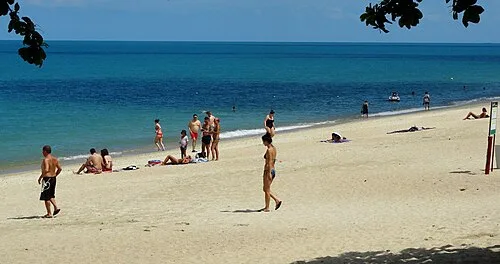
The Gulf coast's main resort island, best for honeymooners and families who want polished resorts and calm beaches. Chaweng and Lamai are the lively beaches, while Bophut's Fisherman's Village and the quiet north suit couples, with the Big Buddha and the Ang Thong marine park offshore. Its own airport makes it easy to reach.
Getting there: fly into Samui (USM), or fly to Surat Thani and take a ferry. Best time: driest around February to April and July to September, wettest October and November. See our Koh Samui tour packages.
13. Koh Phangan
The Gulf island next to Samui, best known for the Full Moon Party but with quiet northern beaches away from it. Haad Rin draws thousands once a month, while the north and east coasts are quiet and green, with yoga retreats and secluded coves. A short ferry from Samui pairs the two.
Getting there: a ferry from Koh Samui, about 30 to 45 minutes. Tip: if you want quiet, book the north and check the party date first.
14. Koh Tao
A small Gulf island, best for scuba diving and snorkelling on a budget. It is one of the cheapest and most popular places in the world to learn to dive, with a shallow, reef-fringed coast for beginners and the classic viewpoint over Koh Nang Yuan. Nightlife is low-key and backpacker-friendly.
Getting there: a ferry from Koh Samui or Koh Phangan, 1 to 2 hours. Best for: divers, snorkellers and budget travellers.
15. Koh Chang
Thailand's second largest island, in the far east near the Cambodian border, best for jungle and beaches with fewer crowds than Phuket or Samui. A forested interior drops to west-coast beaches from the busy White Sand Beach to mellow Lonely Beach, with waterfalls and snorkelling trips to the Koh Rang marine park.
Getting there: road to Trat, then a 30 to 45 minute car ferry; about 5 to 6 hours from Bangkok. Best time: November to April.
16. Koh Kood (Koh Kut)
One of Thailand's least developed large islands, near the Cambodian border, best for clear water without the crowds. The water is some of the clearest in the country and the beaches stay empty even in high season, with waterfalls, mangrove kayaking and almost no nightlife.
Getting there: road to Trat, then a ferry, so plan a few nights rather than a day trip. Best time: November to April.
What is there to see in northern Thailand?
The cooler, cultural north: temple cities, mountain towns and lake country, all best from November to February before the burning season.
17. Chiang Mai (CNX)
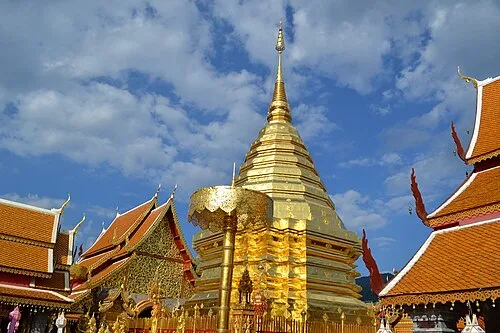
The cultural capital of the north, best for temples, cooking classes, cooler weather and ethical elephant experiences. The moated Old City is walkable and packed with temples, with Doi Suthep on the mountain above, the Sunday Walking Street, night bazaars and elephant sanctuaries in the surrounding hills.
Getting there: a 1 hour 20 minute flight from Bangkok (CNX), or one-stop from Indian metros. Best time: November to February; avoid the March to April crop-burning haze. See our Chiang Mai tour packages.
18. Chiang Rai
A quieter northern city about three hours from Chiang Mai, best for its striking modern temples and a slower pace. Its headline sights are the mirror-white Wat Rong Khun, the deep-blue Wat Rong Suea Ten and the Black House, and it is the gateway to the Golden Triangle where Thailand, Laos and Myanmar meet.
Getting there: 3 hours by road from Chiang Mai, or a short flight. Best for: a 1 to 2 day add-on to a Chiang Mai trip.
19. Pai
A laid-back mountain town about three hours north of Chiang Mai, best for slow days, waterfalls and viewpoints. Reached by a winding road of 762 curves, it drifts between waterfalls, hot springs, the Pai Canyon and lazy cafes, with a relaxed backpacker crowd.
Getting there: the 762-bend mountain road from Chiang Mai takes about 3 hours, so carry motion-sickness tablets. Best for: couples and backpackers; best November to February.
20. Koh Samui alternative: the quiet north (Phayao)
A tranquil northern province built around a large lake, best for travellers who want everyday Thai life far from the tourist trail. Kwan Phayao draws locals at sunset, with the hilltop Wat Analayo and the partly submerged Wat Tilok Aram the signature sights. There is almost no foreign tourism, so English is limited.
Getting there: about 1.5 hours by road south of Chiang Rai, or 3 hours from Chiang Mai; no airport. Best for: slow travellers who want local life; best November to February.
Which places suit families, couples and nightlife?
A quick map of the best places by who you are travelling with and what you want, so you can shortlist fast.
| Traveller or trip type | Best places |
|---|---|
| First-timers | Bangkok plus Phuket or Krabi |
| Families | Phuket, Krabi, Pattaya, Hua Hin, Bangkok |
| Couples and honeymoon | Krabi, Koh Samui, Koh Yao Noi, Chiang Mai |
| Nightlife | Bangkok, Pattaya, Phuket (Patong), Koh Phangan |
| Near Bangkok, short trips | Ayutthaya, Pattaya, Kanchanaburi, Hua Hin |
| Beaches and islands | Phuket, Krabi, Phi Phi, Koh Samui, Similan |
| Culture and mountains | Chiang Mai, Chiang Rai, Pai, Ayutthaya |
A simple top 10 for a first trip: Bangkok, Phuket, Krabi, the Phi Phi Islands, Chiang Mai, Pattaya, Ayutthaya, Koh Samui, Koh Phangan and Kanchanaburi.
When is the best time to visit Thailand?
November to February is the best overall window, but the two coasts run opposite monsoons, so the right months depend on where you go. The Andaman coast is best from November to April, the Gulf islands February to April and July to September, and the north November to February. For the month-by-month detail, see our guide to the best time to visit Thailand.
How many days do you need in Thailand?
Six to eight days suits a first trip covering Bangkok and one beach. Add three to four days for a second region.
- 4 to 5 days: Bangkok plus Pattaya, or one beach only.
- 6 to 7 days: Bangkok plus Phuket or Krabi, the classic first-timer trip.
- 8 to 10 days: add Chiang Mai or a second island to the Bangkok and beach base.
- 10 days or more: the north plus two southern coasts, though you will spend more time on internal flights.
Match your dates to a ready plan with our Thailand tour packages, sorted by duration.
What should Indian visitors know before they go?
The entry rules, money and safety points that catch first-time Indian visitors, with what to do instead.
Watch out for the jet-ski damage claims in Pattaya and Phuket. Book through your hotel, and use Grab or metered taxis.
- Visa and entry: 30 days visa-free per visit, cut from 60 on 15 September 2026, plus a free Thailand Digital Arrival Card within 72 hours. See our Thailand visa for Indians guide.
- Temple dress: cover shoulders and knees at the Grand Palace and all temples, or you will be turned away.
- Vapes and cannabis: e-cigarettes are banned and bring heavy fines, and recreational cannabis is no longer legal after the June 2025 medical-only shift, so avoid both.
- Park closures: Similan and Surin close roughly 15 May to 15 October, and Maya Bay 1 August to 30 September; check before booking a boat day.
- Money: many markets and islands prefer cash, so carry baht; ATMs charge about 220 baht per withdrawal. Cards work at malls and resorts.
- Elephant tourism: skip any camp offering rides or shows, and choose an observation-only sanctuary near Chiang Mai or Phuket.
Key Thailand travel terms
The named places, airports and terms used on this page, defined in one line each.
- Suvarnabhumi (BKK): Bangkok's main international airport, about 30 km east of the city.
- Don Mueang (DMK): Bangkok's older second airport, used mainly by low-cost airlines.
- Chao Phraya River: Bangkok's main river, lined with temples and served by express boats.
- Maya Bay: the Phi Phi Leh cove, closed each year from 1 August to 30 September.
- Similan Islands: a protected Andaman dive archipelago, open roughly mid-October to mid-May.
- Songkran: the Thai new year water festival held in mid-April, the country's busiest holiday.
- Full Moon Party: the monthly beach party on Koh Phangan's Haad Rin beach.
- Thai baht (THB): Thailand's currency, worth about 2.7 rupees in October 2026.
- Thailand Digital Arrival Card (TDAC): the free online arrival form all visitors submit within 72 hours of entry.
FAQs
For a first trip, Bangkok paired with the Andaman coast (Phuket or Krabi) is the strongest mix, giving you temples, street food and calm beaches in one week. If you prefer mountains and culture over beaches, the north around Chiang Mai is the best part. Your choice depends on the season and whether you want a city, beach or hills.
Yes, seven days is enough for a first visit. A common plan is two to three days in Bangkok and three to four on one beach, either Phuket or Krabi. Seven days does not cover both the north and the south comfortably, so pick one region beyond Bangkok and save the rest for a second trip.
A 7-day trip from India usually costs about 55,000 to 95,000 rupees per person on a mid-range budget, including return flights, hotels, transfers and a few tours. Backpackers spend less and resort stays cost more. Return flights from India run roughly 18,000 to 35,000 rupees depending on your city and the season.
Thailand is one of the more affordable international beach destinations for Indians, cheaper day to day than Dubai and similar to Bali. Street meals cost 150 to 400 rupees, local transport is cheap, and mid-range hotels are good value. Flights and island transfers are the main costs; resorts and nightlife add up fast.
Indian passport holders can enter visa-free for 30 days per visit, a rule that changed from 60 to 30 days on 15 September 2026. You also submit a free Thailand Digital Arrival Card online within 72 hours before you land. For stays beyond 30 days you need a tourist visa in advance, so confirm the current rule before booking.
Phuket, Krabi, Pattaya and Hua Hin work best for families, with calm beaches, easy day trips and kid-friendly resorts, and Bangkok adds Safari World, aquariums and markets. Pattaya and Hua Hin are the shortest beach hops from Bangkok. Keep to one or two bases, since island transfers with children take time.
Krabi, Koh Samui and the quieter Koh Yao Noi suit couples who want calm beaches and resorts, while Chiang Mai adds cool weather and scenery. For a honeymoon, pair one Andaman or Gulf island with a couple of Bangkok nights. Avoid party-heavy Patong and Haad Rin if you want quiet, and check the coast's monsoon before booking.
Ayutthaya (1.5 hours), Pattaya (2 hours), Kanchanaburi (2 to 3 hours) and Hua Hin (3 to 3.5 hours) are easy trips from Bangkok by road or train. Ayutthaya suits history, Pattaya and Hua Hin add beaches, and Kanchanaburi covers wartime history and waterfalls. Each works as a day trip or a one-night add-on.