Songkran Festival in Thailand: The Complete Guide to Thai New Year
Songkran is the Thai New Year, held every 13 to 15 April, when the whole country empties into the streets for the world's biggest water fight. Behind the water is a cleansing ritual: pouring it over Buddha images and elders' hands to wash away the old year. Chiang Mai hosts the biggest celebration.
Table of Contents
- What is Songkran and why is it celebrated?
- When is Songkran in 2026 and 2027?
- What happens during Songkran, and what can you expect?
- Where to celebrate Songkran in Thailand
- What should you pack and wear for Songkran?
- What are the do's and don'ts of Songkran?
- What should Indian travellers know about Songkran?
- Key Songkran terms
- FAQs
What is Songkran and why is it celebrated?
Songkran is the traditional Thai New Year, marking the sun's move into Aries in mid-April. The water everyone throws started as a blessing. Pouring it stands for cleansing, respect and good fortune, washing off the old year and asking for a better one. UNESCO listed it as intangible heritage in 2023.
The word Songkran comes from a Sanskrit term for the sun's passage from one zodiac sign to the next. The festival falls as the sun enters Aries in mid-April, after the old rice harvest and before the rains, which is why it became the moment to mark a new year and a fresh start.
The water is the point people miss. In its older form, Songkran is gentle. You bathe Buddha images with scented water, you pour a little over the hands of parents and grandparents as a blessing, and you clean the house and the temple to begin the year fresh. Water stands for purification, for letting go of the past year's bad luck and bad feeling.
The three days each have a shape. The first, Maha Songkran, ends the old year. The second, Wan Nao, is a day between years for preparing food and building sand pagodas at the temple. The third, Wan Thaloeng Sok, begins the new year with merit-making and the blessing of elders.
Thailand's government and UNESCO both treat it as more than a party. In 2023, UNESCO added Songkran to its Representative List of the Intangible Cultural Heritage of Humanity, recognising the family reunions, the respect shown to older people and the customs passed down through it.
When is Songkran in 2026 and 2027?
Songkran's national public holiday is 13 to 15 April every year, so the 2026 and 2027 dates are the same. Some cities run events for longer, and Pattaya's Wan Lai stretches to 19 April. The table below gives the city windows.
Songkran is a fixed-date festival, not a lunar one, so the core dates do not move. The national public holiday runs 13 to 15 April, when banks and government offices close and many Thais travel home, so trains, buses and flights book out early.
Around that core, the big tourist cities run official events for a longer stretch, and a few regional versions follow their own calendar.
Songkran dates by city
| Where | 2026 dates | 2027 dates | Notes |
|---|---|---|---|
| National public holiday | 13 to 15 April | 13 to 15 April | Banks and offices closed; transport books out early |
| Bangkok (Maha Songkran World Water Festival) | Around 9 to 15 April | TBA | Main events near Sanam Luang and Benjakitti Park |
| Chiang Mai | Around 13 to 16 April | TBA | Moat and Tha Phae Gate are the centre |
| Khon Kaen (Khao Niao Road) | 11 to 15 April | TBA | Alcohol-free family water zone |
| Pattaya (Wan Lai) | Up to 19 April | TBA | The longest celebration, ending with Wan Lai |
The 13 to 15 April dates are fixed for both years. City event windows for 2026 are from local tourism listings as of October 2026; the 2027 windows are usually confirmed by each city early in the year.
What happens during Songkran, and what can you expect?
Expect two festivals at once. Mornings are quiet and religious at the temples; afternoons are a nationwide water fight in the street. Both run for three days, and the heat of April makes the water as welcome as it is symbolic.
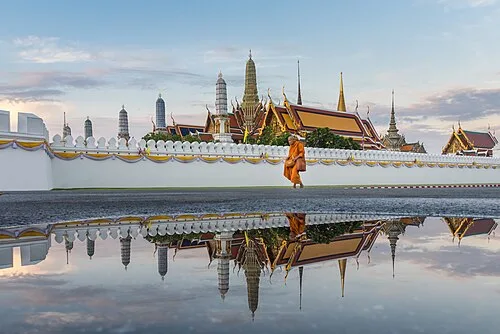
Start at a temple in the morning and you see the older Songkran. Families arrive with small bowls to pour scented water over Buddha statues, monks bless the crowd with sprinkled water and chanting, and children help pack damp sand into little pagodas topped with coloured flags. The air carries incense, frangipani and the smell of sticky rice and mango from the stalls outside.
Step into the street in the afternoon and the other Songkran takes over. The country turns into a running water fight that lasts until dark. Pickup trucks crawl past with barrels of iced water and crews of teenagers, super-soakers refill from roadside tubs, and someone will press a handful of cool white paste, din sor pong, onto your cheeks as a mark of blessing and good luck.
It is relentless, loud and friendly. The heat tops 35 degrees in April, so the soaking is a relief as much as a tradition, and almost everyone joins in with the same good humour. By evening the water eases and the bars and night markets fill up.
Where to celebrate Songkran in Thailand
Chiang Mai is the biggest and most traditional Songkran, Bangkok the most convenient, Phuket the beach-party version and Pattaya the longest. Pick the city to match the trip you want.
Chiang Mai
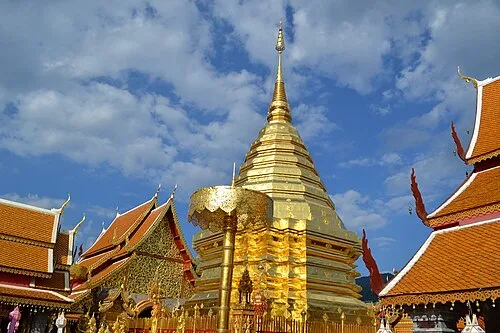
Chiang Mai holds the country's biggest and most traditional Songkran, built around its old-city moat, which becomes a ready supply of water and a three-day battle line. The Lanna heritage shows in the morning rituals: a procession of the revered Phra Buddha Sihing image through the streets for people to bathe, and sand pagodas rising in the temple courtyards.
What to expect: a wall of water around the moat and Tha Phae Gate, parades and cultural shows, and a younger party scene on Nimmanhaemin Road.
Best for: first-timers who want the full, traditional experience in one walkable old town.
Bangkok
Bangkok is the easiest Songkran to reach and the most varied. Backpacker Khao San Road is one long water fight, Silom's stretch along the main road draws a huge, lively crowd, and the official Maha Songkran World Water Festival stages parades and events near Sanam Luang and Benjakitti Park.
What to expect: choose your scene, from family-friendly cultural events to all-day street battles and mall parties in Siam.
Best for: travellers short on time, or combining Songkran with a city trip.
Phuket
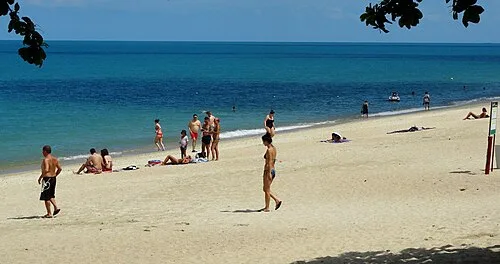
Phuket runs a beach-side Songkran, loudest along Patong's Bangla Road and the beach road, where the bars and clubs turn the water fight into a party that spills onto the sand. Quieter beaches and towns keep the gentler, temple-based side of the day.
What to expect: a party-heavy soak in Patong, with calmer family versions elsewhere on the island.
Best for: travellers pairing the festival with a beach holiday.
Pattaya
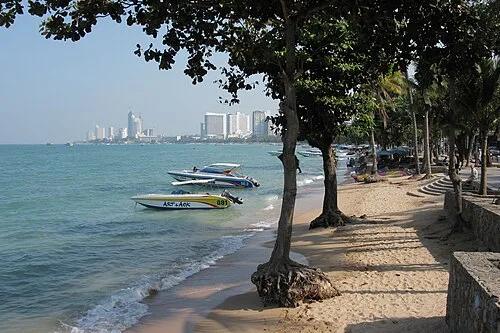
Pattaya celebrates the longest, carrying on after the national holiday with its own Wan Lai tradition that runs to around 19 April. The action lines Beach Road and spreads to Bang Saen, which adds sand-pagoda building and concerts to the water fights.
What to expect: extra days of celebration, big beach-road water battles and live music.
Best for: those who arrive late or want Songkran to last beyond the 15th.
Ayutthaya and the Isaan towns
Ayutthaya adds its own touch, with elephants joining the water fights among the old temple ruins, a sight unique to the former capital. In the northeast, Khon Kaen's Khao Niao Road runs a long, deliberately alcohol-free family zone.
What to expect: a more cultural or family-focused Songkran away from the main tourist cities.
Best for: repeat visitors and families wanting a calmer, more local day.
What should you pack and wear for Songkran?
Assume everything you carry will get soaked. Bring a waterproof pouch for your phone, quick-dry clothes, footwear with grip, and goggles if you plan to be in the thick of it.
- A waterproof phone pouch or dry bag. This is the one thing you cannot skip, as water goes everywhere.
- Quick-dry clothes you do not mind ruining, and modest cover for temple visits in the morning.
- Sandals or shoes with grip. Streets and pavements turn slick, and flip-flops slide.
- Goggles or sunglasses, and earplugs for children, since water in the face and ears is constant in the busy zones.
- A cheap water gun, bought locally for a few hundred baht, and sunscreen for the strong April sun.
- A small amount of cash in a sealed bag; keep your passport and the bulk of your money dry at the hotel.
What are the do's and don'ts of Songkran?
Songkran is open to everyone, but it carries real etiquette. Keep the religious respect, read people's cues, and treat the water as fun rather than a weapon.
Do:
- Join in with good humour, and accept the din sor pong paste and water as the blessing they are meant to be.
- Visit a temple in the morning to see the older rituals of bathing Buddha images and pouring water for elders.
- Check before you splash anyone who is dressed up, carrying a baby or signalling they would rather stay dry.
- Keep a daypack of dry essentials and plan your route, since roads and transport get crowded and slow.
Don't:
- Splash monks, elderly people, pregnant women or babies, and do not aim at anyone's face with a pressure hose.
- Throw water at people riding motorbikes or driving, which causes crashes.
- Use dirty canal or drain water, or swallow the water you are splashed with, which spreads ear and stomach infections.
- Drink and ride. Songkran is the worst week of the year on Thai roads, so avoid a scooter during the water days.
- Behave indecently or go topless in the street; fines and arrests do happen over the holiday.
What should Indian travellers know about Songkran?
Book flights and hotels early, since April is peak season and Songkran sells out. Indian visitors now get 30 days visa-free and need the free digital arrival card. Plan for heat, crowds and higher prices.
- Visa: as of September 2026, Indian passport holders may stay in Thailand visa-free for up to 30 days, down from the previous 60, per the Royal Thai Embassy in New Delhi.
- Arrival card: the Thailand Digital Arrival Card is compulsory and free. Complete it on the official portal in the three days before you fly, and keep the QR code offline.
- Book early and pay more: mid-April is peak season, so flights from India and hotels in Chiang Mai, Bangkok and Phuket rise sharply and sell out weeks ahead.
- Expect heat: April is the hottest month, often above 35 degrees, so drink water, use sunscreen, and take breaks from the sun between water rounds.
- Travel carefully: domestic trains, buses and flights fill up as Thais travel home, and the roads are at their most dangerous, so build in buffer time and avoid night road travel.
- Food is easy: Indian and vegetarian restaurants are common in Bangkok, Chiang Mai and Phuket, so dietary needs are simple to manage over the holiday.
For planning the wider trip, see our guide to the festivals in Thailand and the best time to visit Thailand, and our Thailand tour packages.
The Songkran holiday is known in Thailand as the "seven dangerous days" for its spike in road deaths, driven by drink-driving and motorbike crashes. Stay off a scooter during the water days, wear a helmet if you must ride, and take real care crossing wet, crowded roads on foot.
Key Songkran terms
A quick reference to the words and names that come up most around Songkran.
- Songkran: the Thai New Year festival, held 13 to 15 April, marked by water pouring and water fights.
- Maha Songkran: the first day, which ends the old year.
- Wan Nao: the middle day of preparation and sand-pagoda building.
- Rod Nam Dam Hua: the ritual of pouring scented water over the hands of elders to seek their blessing.
- Din sor pong: the soft white chalk paste smeared on faces during Songkran as a mark of blessing.
- Phra Buddha Sihing: the revered Buddha image paraded through Chiang Mai for the faithful to bathe.
- Wan Lai: Pattaya and Chonburi's extended Songkran tradition, running to around 19 April.
- UNESCO Intangible Cultural Heritage: the list Songkran was added to in 2023.
FAQs
Songkran is the traditional Thai New Year, held every 13 to 15 April. The water began as a blessing: Thais pour scented water over Buddha images and the hands of elders to show respect and wash away the past year's misfortune. Over time the gentle sprinkling grew into the street water fights the festival is now famous for worldwide.
The national public holiday is 13 to 15 April in both 2026 and 2027, since Songkran is a fixed-date festival. Some cities run events for longer: Bangkok's official festival spans roughly 9 to 15 April, and Pattaya's Wan Lai stretches to around 19 April. Confirm each city's exact event dates nearer the time.
Chiang Mai is widely considered the best, with the biggest and most traditional celebration around its old-city moat, plus Lanna processions and sand pagodas. Bangkok is the most convenient and varied, Phuket's Patong is the beach-party version, and Pattaya runs the longest. Choose the city to match whether you want tradition, convenience or a beach party.
Generally yes, and it is friendly and welcoming, but take sensible care. The roads are Thailand's most dangerous of the year, so avoid riding a scooter during the water days. Protect your phone in a dry bag, do not swallow the water, wear footwear with grip, and keep your valuables and passport dry at the hotel.
As of September 2026, Indians can stay visa-free for up to 30 days, halved from the old 60-day allowance. You also complete the free Thailand Digital Arrival Card online in the 72 hours before arrival and show the QR code on entry. Book flights and hotels well ahead, as April is peak season. Confirm visa rules before you travel.
Yes. The water fights concentrate on known streets, such as Chiang Mai's moat, Bangkok's Khao San and Silom, and Patong in Phuket, so you can steer clear by staying in a quieter area and travelling in the early morning. Temples and cultural events run the calmer, traditional side of the day if you prefer to skip the soaking.
Wear quick-dry clothes you do not mind getting soaked, and footwear with grip rather than loose flip-flops. Bring a waterproof pouch for your phone, sunglasses or goggles, and sunscreen for the strong April heat. Keep a modest change of clothes for temple visits in the morning, where the mood is respectful rather than playful.